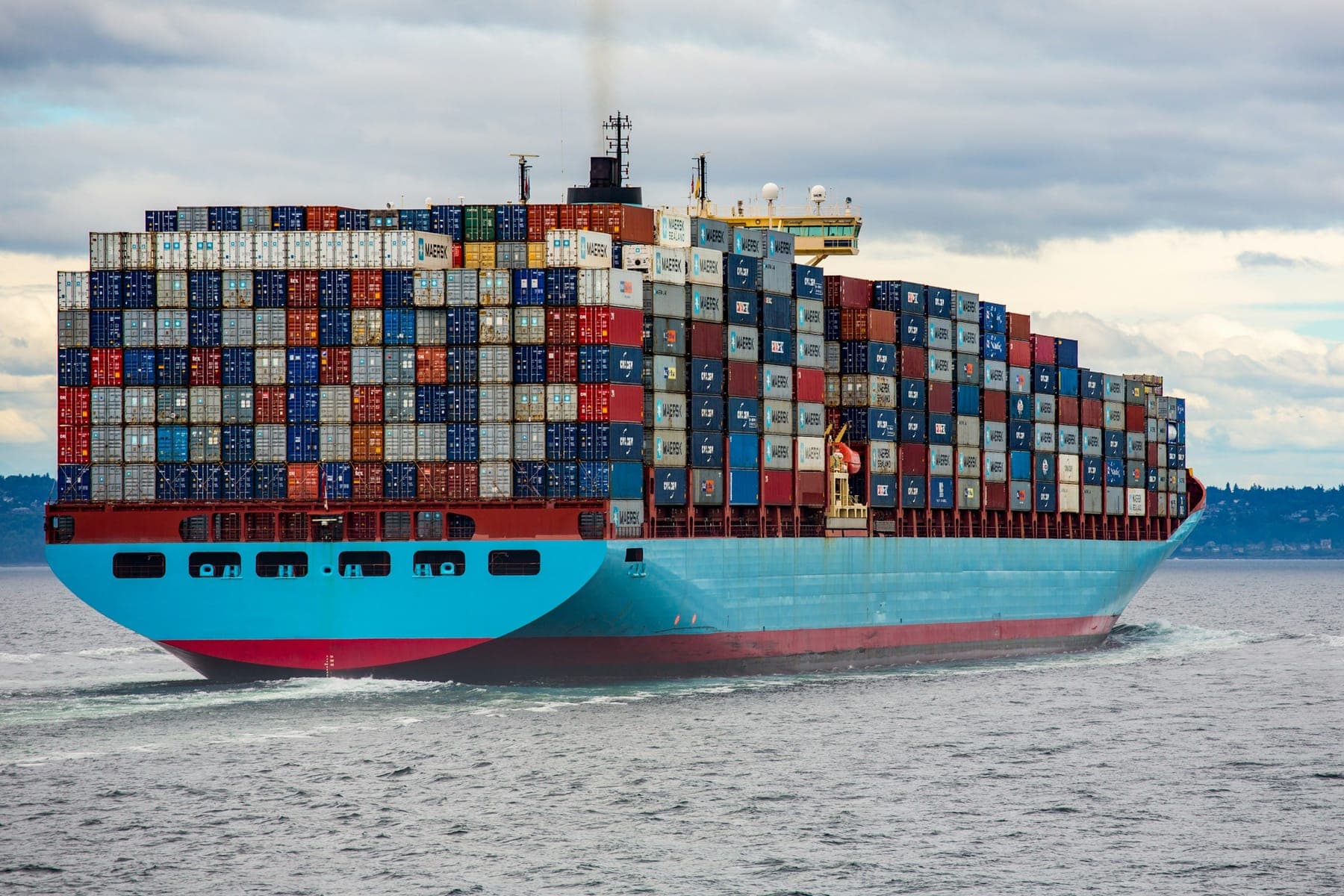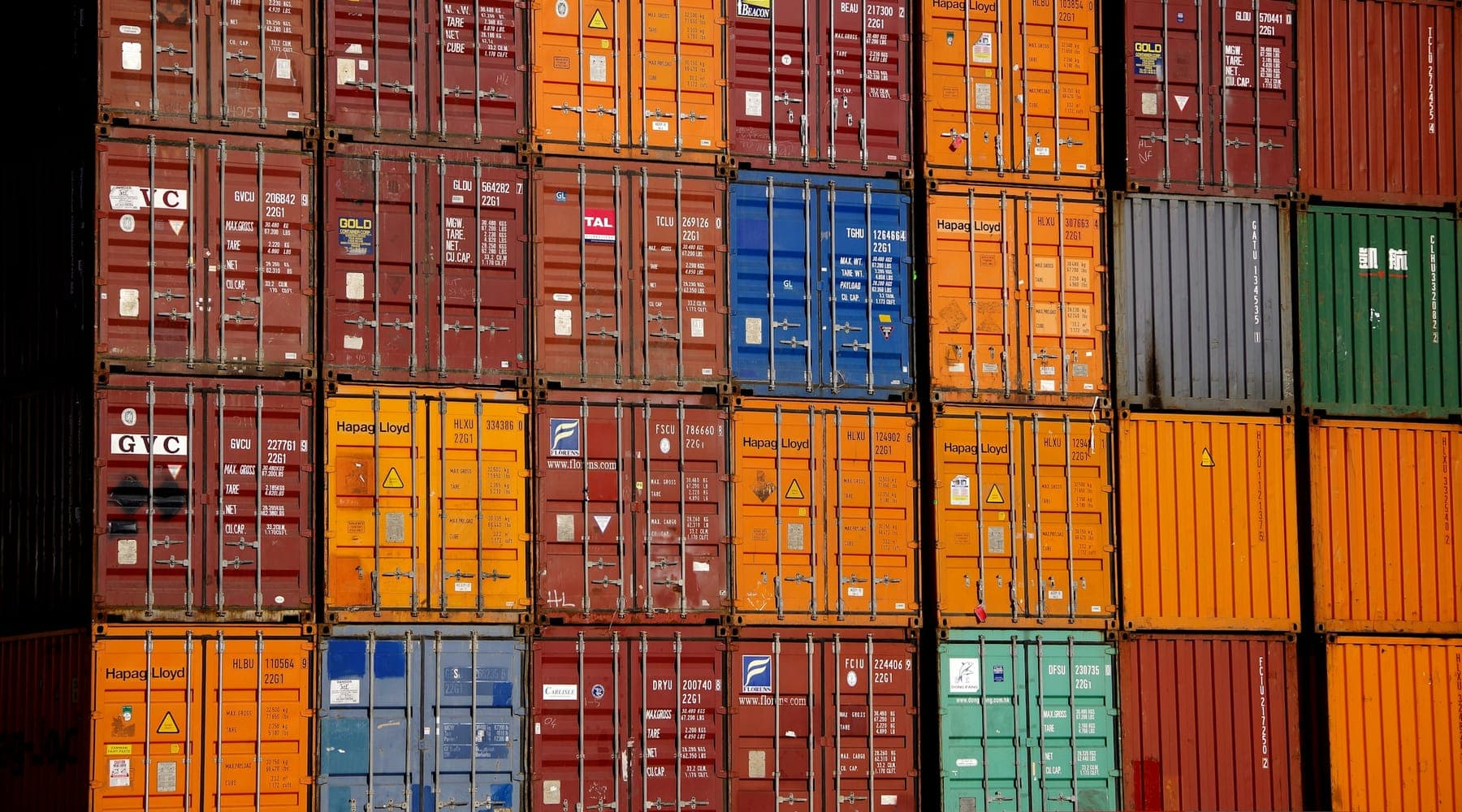
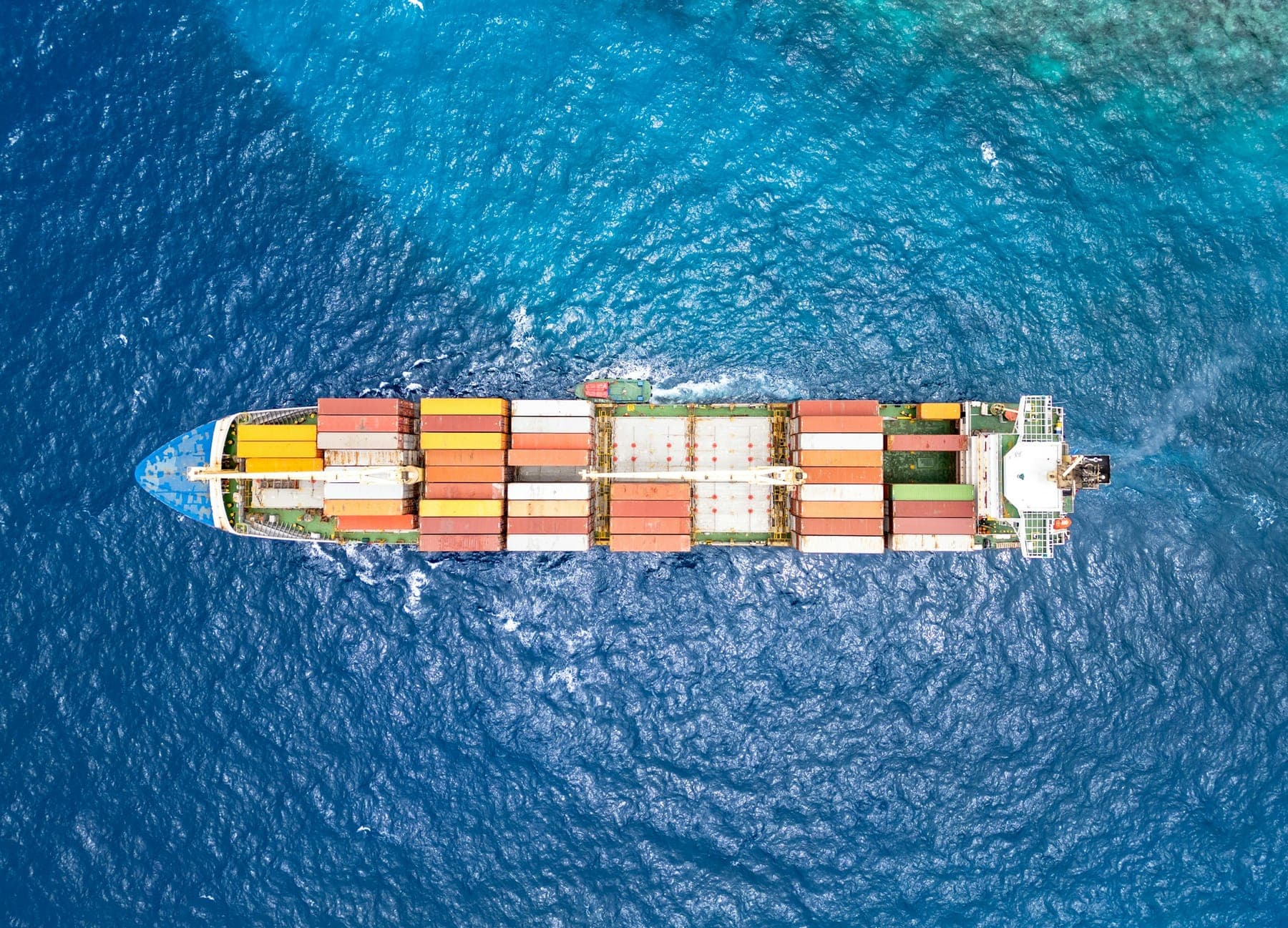
Containerized ocean freight has two main options: FCL (Full Container Load), where the container is dedicated to a single shipper, and LCL (Less than Container Load), where cargo from different customers is consolidated in the same container.
FCL — full container load
- Dedicated container, sealed at origin.
- Freight charged per container, regardless of how full it is.
- Less cargo handling, with no consolidation or deconsolidation.
- Usually more cost-effective when the cargo fills a good part of the container.
LCL — consolidated cargo
- You pay for the space used, usually under the W/M rule.
- Suited to smaller volumes and more frequent shipments.
- Includes consolidation at origin and deconsolidation at destination, which may extend total transit time.
- Lets you import or export without filling a container.
Reference capacities
20' Dry · ≈ 33 m³
Dense, heavy cargo
40' Dry · ≈ 67 m³
Bulky cargo of moderate weight
40' High Cube · ≈ 76 m³
Bulky, taller cargo
| Container | Approx. internal volume | Typical use |
|---|---|---|
| 20' Dry | ≈ 33 m³ | Dense, heavy cargo |
| 40' Dry | ≈ 67 m³ | Bulky cargo of moderate weight |
| 40' High Cube | ≈ 76 m³ | Bulky, taller cargo |
Approximate values. Usable capacity and weight limits vary by equipment, carrier and each country's rules.
A practical criterion
There is no fixed number: the point at which FCL becomes worthwhile depends on route rates, volume, weight and urgency. That is why it pays to compare both options when requesting a quote.
In the AV Global Express quote form, you enter package dimensions and see the estimated volume and W/M in real time.